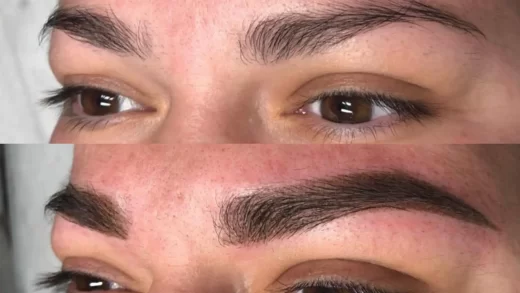
When people search “Can Any Artist Do Fine Line Tattoos?” they’re either curious first timers who love the look of delicate body art or experienced collectors wondering if their favourite tattoo artist can do it. As Olha Po, a cosmetic tattooist who’s worked in Melbourne tattoo studios for almost a decade, I’ve seen this question asked countless times. And here’s the truth: fine line tattoo work requires highly specialised training. Not every artist who’s skilled in bold blackwork tattoos, watercolour pieces or traditional tattoos can transition to intricate designs that rely on thin needles and fine liners.
At Cosmetic Tattoo Studio Melbourne Face Figurati, we often meet clients who’ve had disappointing results elsewhere. Fine line tattoos in Melbourne are in demand, but that doesn’t mean every tattoo shop should offer them. Cosmetic tattooing is a separate discipline that requires precision, and only artists with proper cosmetic tattoo training truly understand how to work with skin tone, pigment behaviour and long-term healing.
Contents
- 1 Why Delicate Tattoo Work Requires Specialist Skills
- 2 The Tools Behind Crisp Line Work
- 3 Table: Standard vs Fine Line Needles
- 4 Skin Type and Healing Process
- 5 Training, Experience and Tattooing Style
- 6 Melbourne Client Story: Ink Migration and Finger Tattoos
- 7 Safety, Hygiene and Studio Environment
- 8 Lifestyle and Longevity
- 9 Popular Tattoo Styles Compared
- 10 Final Thoughts: Choosing the Right Artist Matters
- 11 FAQ
- 11.1 Do fine line tattoos heal differently from traditional tattoos?
- 11.2 Are finger tattoos a bad idea for fine line work?
- 11.3 Can any tattoo artist switch to fine liners easily?
- 11.4 What aftercare products work best for fine line tattoos?
- 11.5 How do I choose between custom designs and minimalist tattoos?
Why Delicate Tattoo Work Requires Specialist Skills
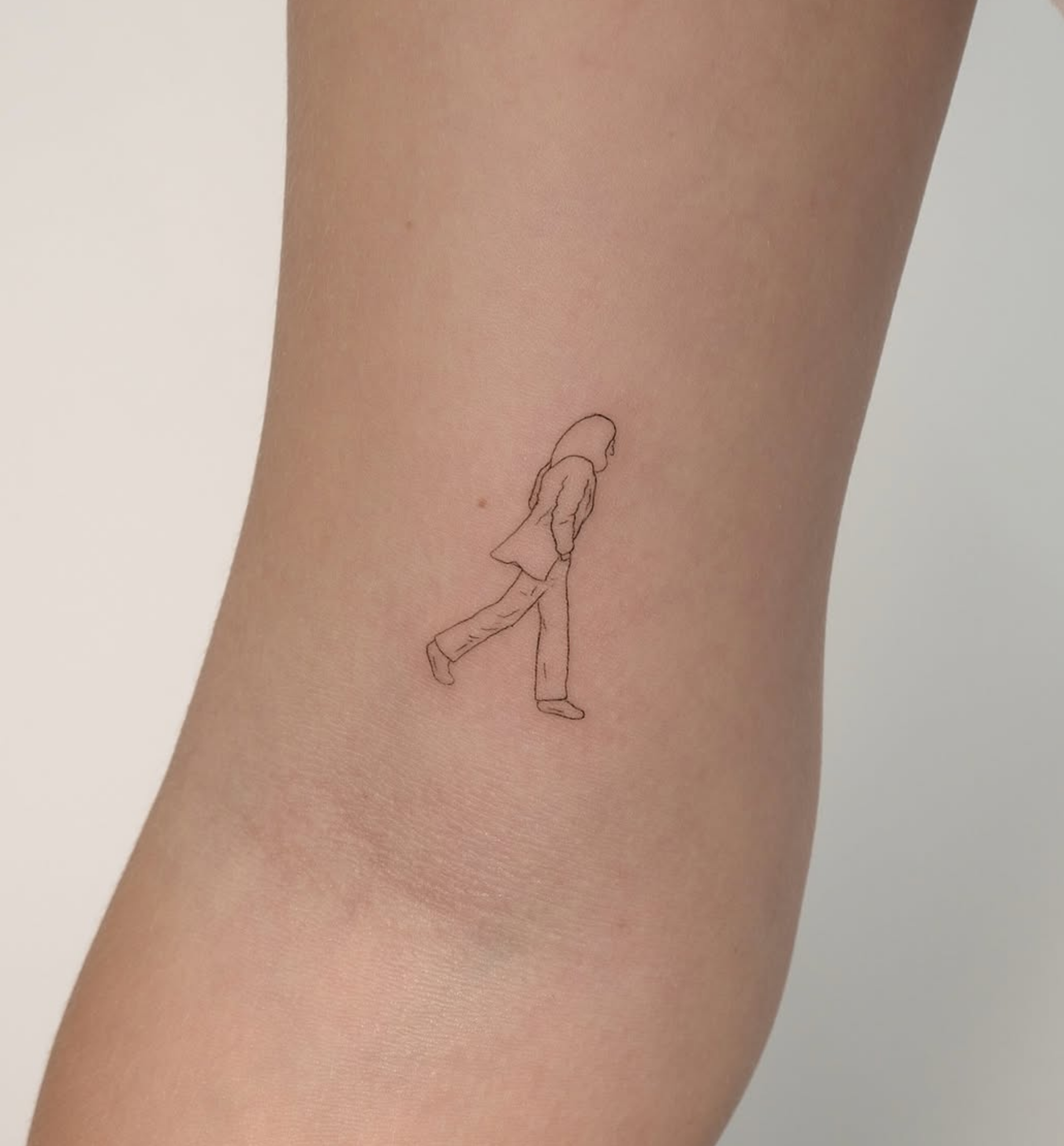
A fine line tattoo is built on precision. Each stroke of lining needles is ultra-thin; there’s no margin for error. Artists must balance tattoo ink pigments carefully; even slight mistakes can cause ink migration or fading during the tattoo healing process. Unlike geometric shapes in traditional tattooing or dense shading in gothic style work, fine line designs highlight every inconsistency.
In my Melbourne practice, I’ve corrected work from guest artists who underestimated the challenge. They were great at shading techniques for geometric patterns and gradient shading for watercolour, but struggled to keep minimalist tattoos crisp. Tattoo culture pushes trends fast, but the skill behind fine line tattoo style takes years of focused tattoo experience and cosmetic tattoo training.
The Tools Behind Crisp Line Work
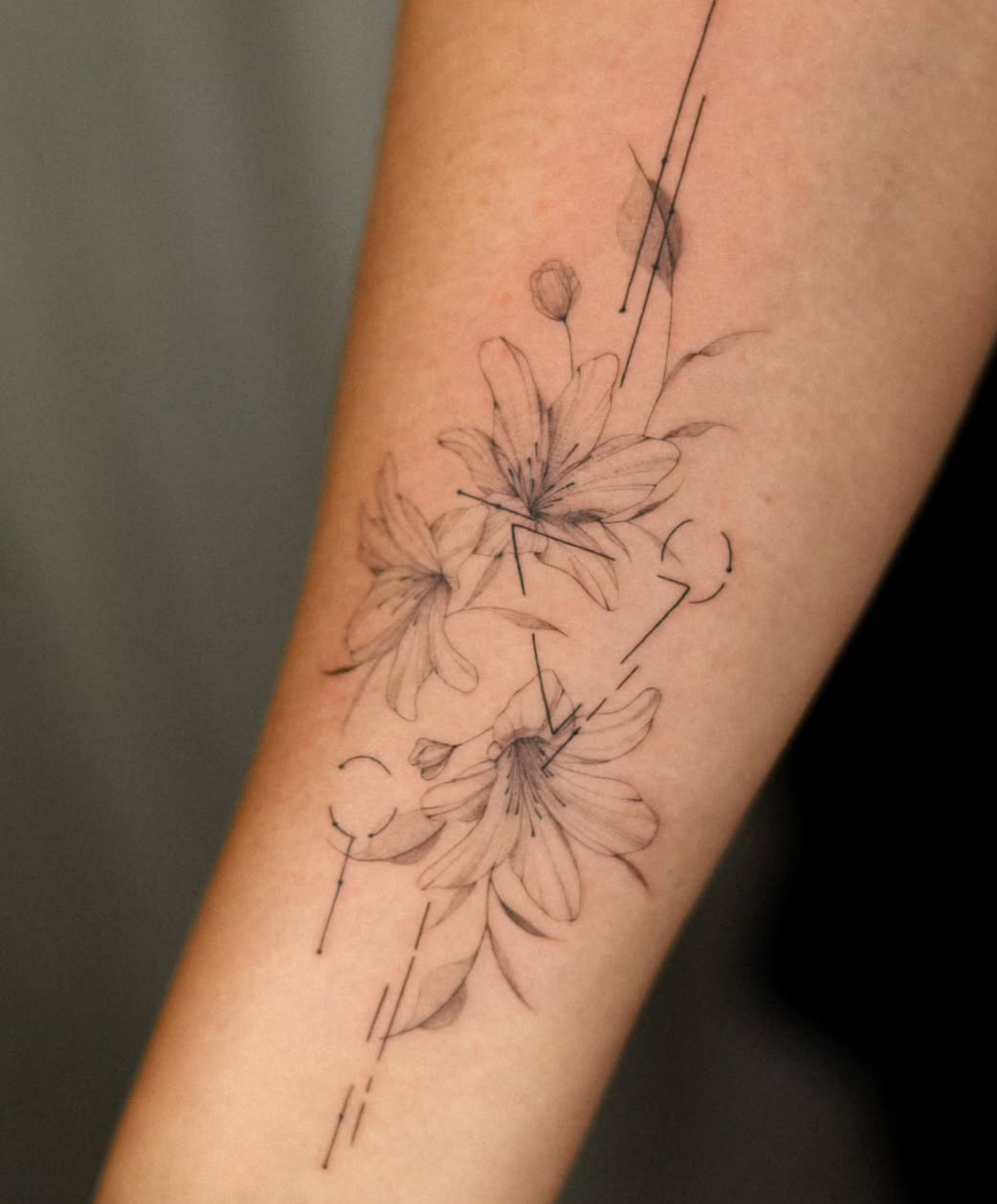
The equipment defines whether intricate designs heal well. Fine liners and thin needles require expert control. Unlike thicker needles used in shading or stick and poke tattooing, fine liners leave less pigment in the dermis, meaning healing time is crucial. The wrong setup leads to poor retention and frequent touch-ups.
At Cosmetic Tattoo Studio Melbourne Face Figurati, I use digital machines tailored for fine line tattoo art. With precise depth control, I can adjust for different skin tones and minimise trauma. I also pair tattoos with aftercare products like Inky Tattoo Salve or Bepanthen cream, which protect fresh tattoo ink from white blood cells breaking it down too quickly.
Table: Standard vs Fine Line Needles
| Feature | Thicker Needles (Standard) | Fine Liners (Specialised) |
|---|---|---|
| Needle Grouping | 3RL, 5RL, 7RL | Single needle / 3RL max |
| Line Thickness | Medium to bold | Ultra-thin minimalist lines |
| Tattooing Style | Traditional tattooing, dense shading | Minimalist designs, florals and botanicals |
| Error Margin | More forgiving | Very unforgiving |
| Artist Skill Needed | General tattoo artist training | Specialised expertise required |
Skin Type and Healing Process
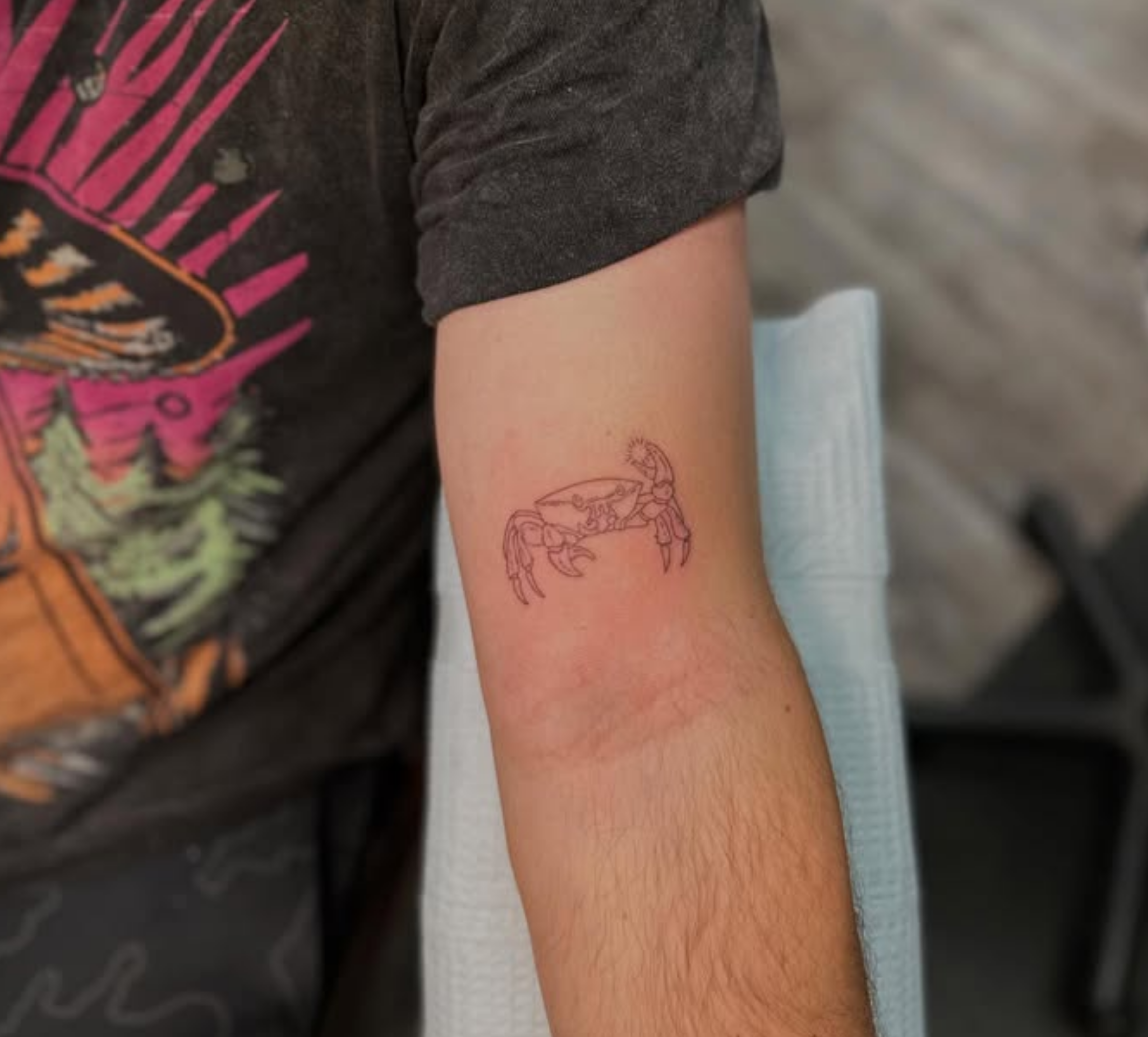
Your skin type determines if minimalist designs, florals and botanicals heal as intended. A fine line tattoo sits close to the skin surface, so oily skin or high-friction areas like finger tattoos are prone to blurring during healing. Even minimalist tattoos on hands face constant challenges from washing, work and sun.
The tattoo healing process has several stages: initial swelling, scabbing, peeling and full settling over 4-6 weeks. Thin lines may look faded or uneven midway, but this is normal. Proper tattoo aftercare — gentle cleansing, ointment application and no premature picking — ensures crisp results. Studio environment guidance is key here, as each tattoo shop should educate clients clearly on aftercare.
Training, Experience and Tattooing Style
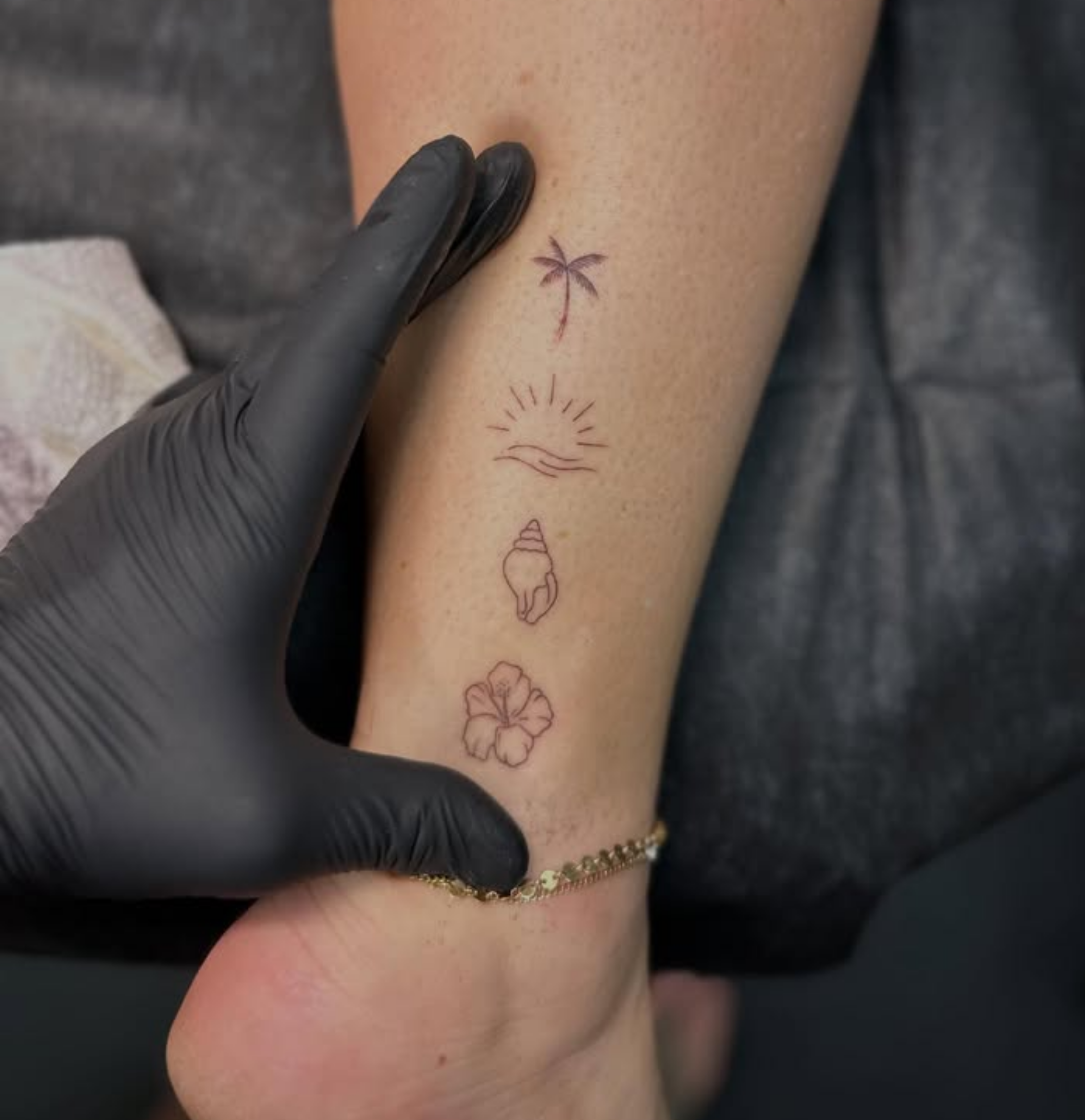
A tattoo artist who does bold blackwork or gothic-style sleeves may not be suited for minimalist designs that require subtle shading techniques. Each tattooing style builds on different skills: geometric patterns rely on symmetry, watercolour tattoos demand gradient shading, and fine line tattoos need delicate contact technique. Expect to see portfolios of healed results, not just fresh photos filtered for social media.
At my studio, I say tattoo culture should respect tradition while embracing modern artistry. Just as medieval illuminations inspired today’s art historical traditions in florals, each tattooing style has its place. Cosmetic tattooing builds on these traditions with medical-grade hygiene, precise pigments and cosmetic tattoo training that ensures results look natural and heal well.
Melbourne Client Story: Ink Migration and Finger Tattoos
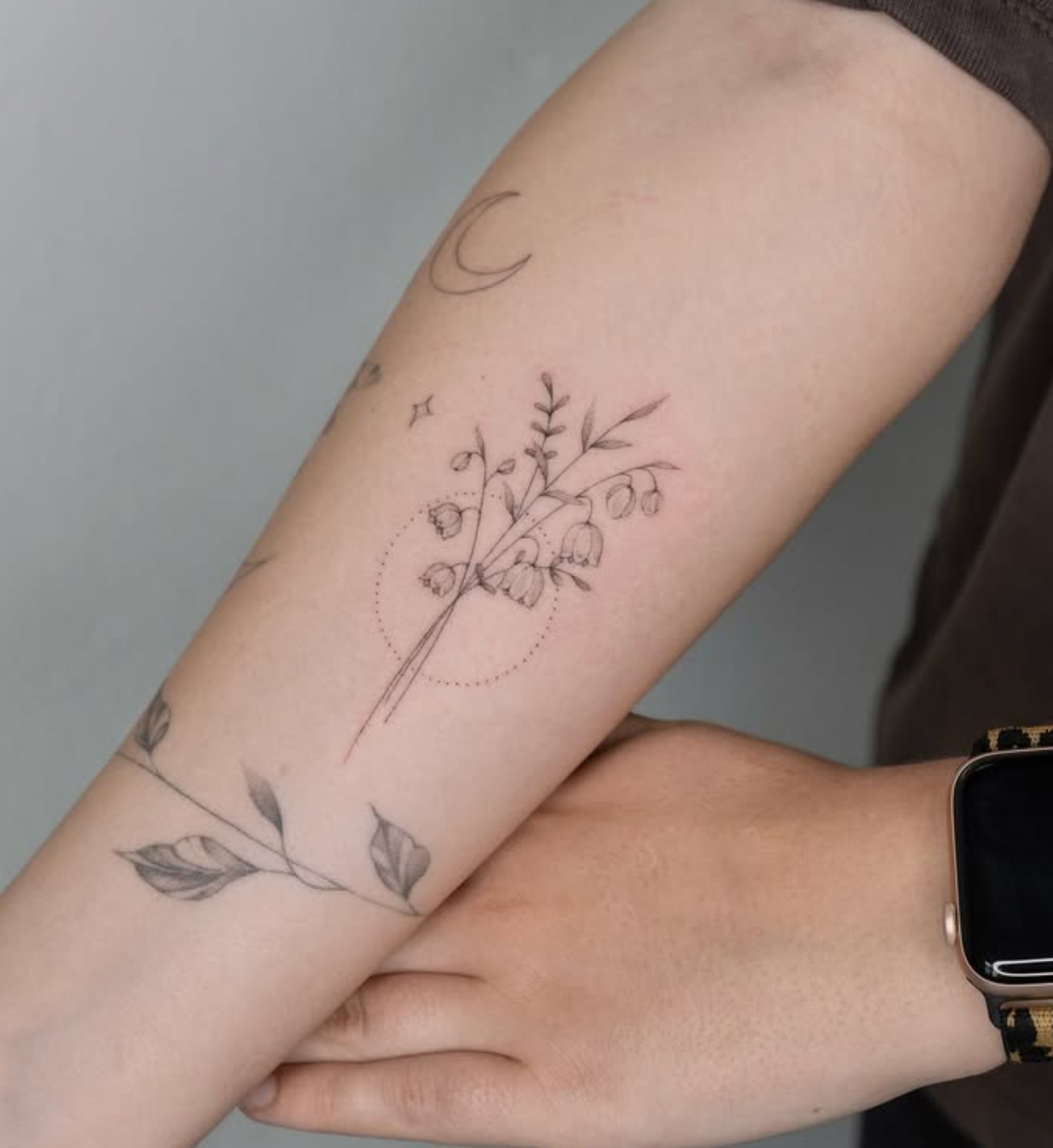
A client came to me with a floral design on her finger. The initial work looked beautiful, but after healing time, the thin lines spread due to poor needle depth and constant exposure to cleaning products at her hospitality job. This is why finger tattoos require extra care. We corrected the design with custom shading, but it highlighted the need for specialised skill in fine-line tattoos in Melbourne’s busy lifestyle.
Safety, Hygiene and Studio Environment
Fine line tattoos must be done in licensed tattoo studios that uphold strict hygiene. Using sterile disposables, professional tattoo ink, and pigments suitable for various skin tones is non-negotiable. According to 2024 industry reports 41% of tattoo complications came from unregulated tattoo shops or artists without training. Studio environment plays a huge role — from ventilation to booking system efficiency. Aftercare advice should include using proven products like Inky Tattoo Salve or Bepanthen cream, not too much water and SPF once healed. The healing process is as important as the tattoo experience itself.
Lifestyle and Longevity
Fine line tattoos fade faster than bold tattoos. High-friction areas like fingers or ankles will always need more frequent touch-ups. Gym goers, hospitality workers and sun lovers in Melbourne’s cafe culture should expect shorter healing time windows before tattoos lose definition. Sunscreen and proper aftercare products will extend longevity, but you’ll need to come back to your artist every few years for refinements.
Popular Tattoo Styles Compared
| Tattooing Style | Best For | Longevity | Artist Training Level |
|---|---|---|---|
| Traditional tattoos | Bold colour tattoos, thicker lines | Long-lasting | Standard |
| Fine-line tattoo style | Minimalist tattoos, florals and botanicals | Medium, touch-ups | Specialised |
| Water colour | Gradient shading, artistic expression | Variable | Advanced |
| Gothic style | Dense shading, medieval illuminations | High durability | Expert |
| Stick and poke | DIY or artistic expression | Variable | Varies |
Final Thoughts: Choosing the Right Artist Matters
So, can any artist do fine-line tattoos? No. Fine-line tattoo style requires special skills, a clean studio and a deep understanding of the tattoo healing process. Whether you love minimal designs, florals and botanicals or geometric patterns, your choice of tattoo shop matters just as much as the design itself. At Cosmetic Tattoo Studio Melbourne Face Figurati, I combine advanced cosmetic tattoo training with tailored aftercare guidance to deliver tattoos that last.
Still weighing up if a fine line tattoo Melbourne experience is for you? Book a consult at Face Figurati, and let’s create something that reflects you while respecting your skin.
Written by Olha Po, Licensed Cosmetic Tattoo Artist in Melbourne
FAQ
Do fine line tattoos heal differently from traditional tattoos?
Yes. Because fine liners deposit less pigment, the tattoo healing process may look patchy before the final healed result appears.
Are finger tattoos a bad idea for fine line work?
Not necessarily, but high friction makes ink migration more likely. Expect shorter longevity and more frequent touch-ups.
Can any tattoo artist switch to fine liners easily?
No. Even skilled artists in blackwork tattoos or geometric shapes need special cosmetic tattoo training to master fine liners.
What aftercare products work best for fine line tattoos?
Most artists recommend gentle, fragrance-free care plus Inky Tattoo Salve or Bepanthen cream during healing time.
How do I choose between custom designs and minimalist tattoos?
It depends on your lifestyle and tattooing style preference. Florals and botanicals may age differently from geometric patterns — your artist should guide you.