When someone asks me how to start a skincare routine for sensitive skin, the first thing I say is, “Skin isn’t weak, it just needs to be treated a little differently. I’m Sevine, the founder of The Facial Hub in Brisbane, and I’ve spent years helping people get their skin back on track by rebuilding their moisture barrier, calming irritation, and determining their skin type. At The Facial Hub in Brisbane, I’m constantly meeting people who are just as baffled as I am by skincare products – they just don’t know where to start, and they’re constantly getting reactions that seem to come out of nowhere.
Life in Brisbane can be tough on your skin – our humidity and UV light exposure, and all the other environmental stuff can make even the most laid-back skin feel like it’s going haywire. And the thing is, sensitive skin isn’t a flaw – it’s just a sign that your barrier needs a bit of TLC.
Contents
- 1 What Sensitivity Looks Like Beneath the Surface
- 2 Why Starting Small Creates the Best Results
- 3 Choosing Cleansers That Respect the Barrier
- 4 The Ingredients That Make Skin Feel Safe Again
- 5 Everyday Protection
- 6 Patch Testing: Your Insurance Policy Against Reactions
- 7 How Brisbane’s Climate Influences Skin Behaviour
- 8 A Beginner-Friendly Routine That Works
- 9 What Most Commonly Irritates Sensitive Skin (2026 AU Data)
- 10 When You’re Ready to Add More Advanced Ingredients
- 11 Professional Care That Supports Reactive Skin
- 12 A Final Word Before You Begin
- 13 FAQ
- 13.1 Should I avoid all active ingredients if my skin is super sensitive?
- 13.2 How long will it take to get my skin barrier back on track?
- 13.3 Are essential oils safe for sensitive skin?
- 13.4 Is double cleansing okay for sensitive skin?
- 13.5 Why do I react to skincare formulas that other people rave about?
What Sensitivity Looks Like Beneath the Surface
The thing is, a lot of people have no idea that all those symptoms of skin sensitivity – the redness, the burning, the tightness, the tiny bumps – are usually because of a weakened skin barrier. When that protective layer gets a bit worn down, stuff that used to be fine all of a sudden starts to sting or cause inflammation.
I meet a lot of clients who are convinced they’ve got this persistent “problem skin”, but the reality is they just need to take it easy on their skin – not using exfoliating toner too much, or harsh essential oils, or synthetic ingredients that just overload the poor thing. And that’s why a nice, soothing facial can be just what the doctor ordered – especially when your barrier has been pushed to the limit.
A weakened barrier can affect anyone, especially when using strong actives like glycolic acid or salicylic acid without guidance from skin experts.
Why Starting Small Creates the Best Results
When I’m working with someone who has very sensitive or reactive skin, the first thing I do is go back to basics. Not because their skin doesn’t deserve better, but because it needs a solid foundation to work off before you start getting fancy.
That foundation is pretty straightforward stuff:
- A gentle cleanser that won’t strip your skin bare
- A hyaluronic acid serum that really locks in the moisture
- A moisturiser with ceramides in it, applied on top of the skin
This simple trio of steps really starts to repair the damage from the inside out. Once your skin is calm and settled, have a really good facial at The Facial Hub because your skin is in a state to handle the stimulation.
Choosing Cleansers That Respect the Barrier
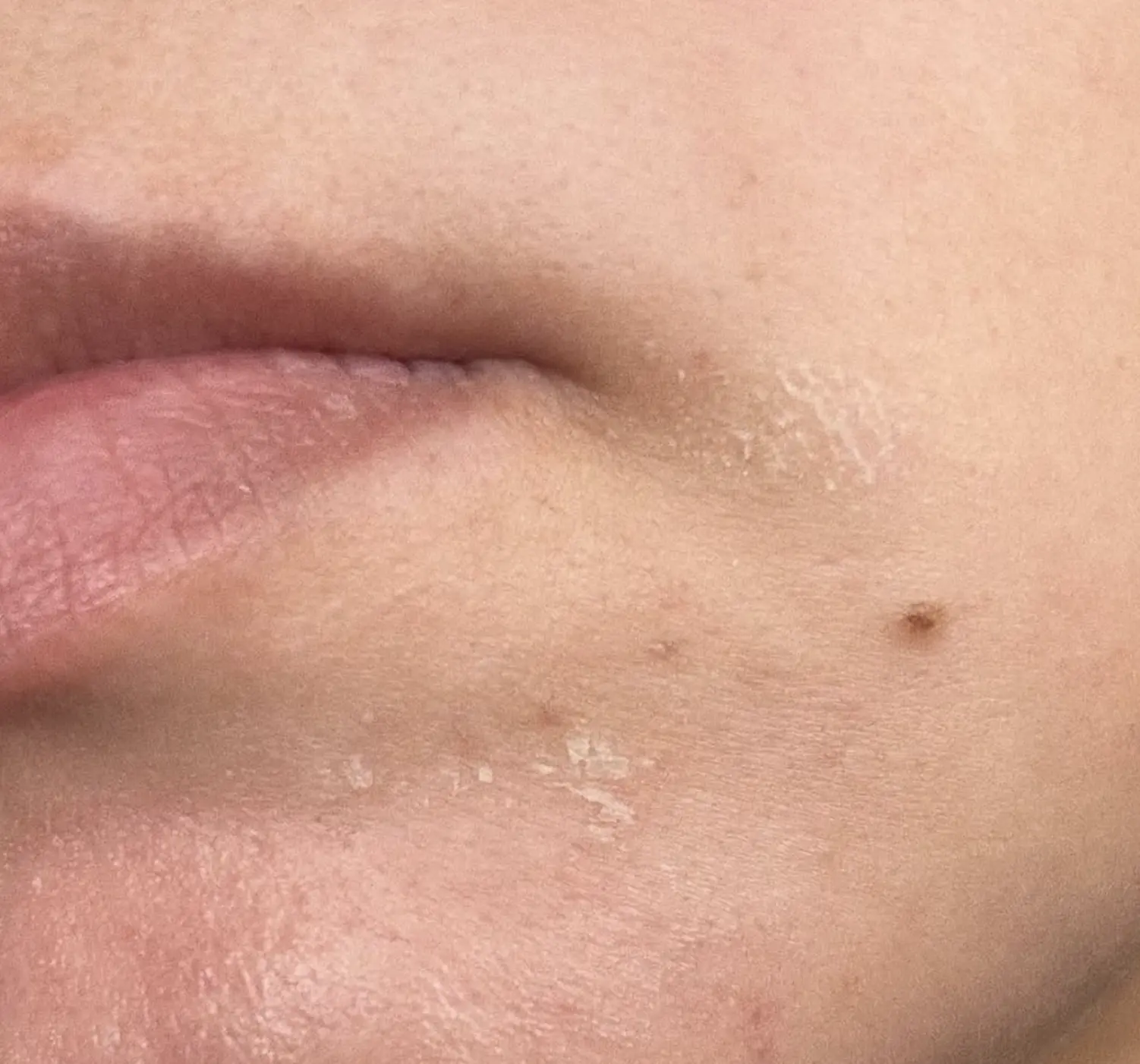
Cleansing is when sensitive skin is often irritated without even realising it. Harsh foaming agents, artificial fragrances and products that just strip the skin bare – all these things can leave your skin feeling tight, and make your skin scream for help.
Some people prefer micellar water to start gently, while others prefer a creamy or gel cleanser to remove sunscreen residue and grime from Brisbane’s humid weather. If you drop, a double cleanse is a good way to remove it without disrupting your skin barrier.
Avoid anything labelled “deep cleanse” or containing a strong fragrance. “Gentle” isn’t the same as “less effective” – it’s actually just a way of saying we’re being strategic here.
The Ingredients That Make Skin Feel Safe Again
When your skin is all red and reactive, my first line of defence is usually hyaluronic acid and ceramides. These two work together to strengthen your barrier, keep your skin hydrated, and relieve the burning.
Hyaluronic acid helps your skin retain moisture without feeling heavy or soggy, and ceramides act as the glue that holds your barrier together. I use these two before treatments like LED light therapy at The Facial Hub – or oxygen facials, red light therapy, whatever. I like to know that your skin is in a good place before we do any of that stuff.
Once your barrier is in a better place, you can start introducing some other stuff like vitamin C, niacinamide – but do it gradually.
Everyday Protection
The thing that’s probably going to irritate your skin the most? Sun exposure. Brisbane’s got some pretty strong UV light, and it can make your skin go haywire in no time. That’s why a good broad-spectrum sunscreen is pretty much essential.
Mineral formulas tend to work best for sensitive skin around the eyes, but everyone’s skin is different – some people react to chemical filters, some don’t. Your skin decides what’s okay for you.
A good sunscreen prevents long-term inflammation, reduces fine lines, and protects your skin barrier from environmental factors that can damage it.
Patch Testing: Your Insurance Policy Against Reactions
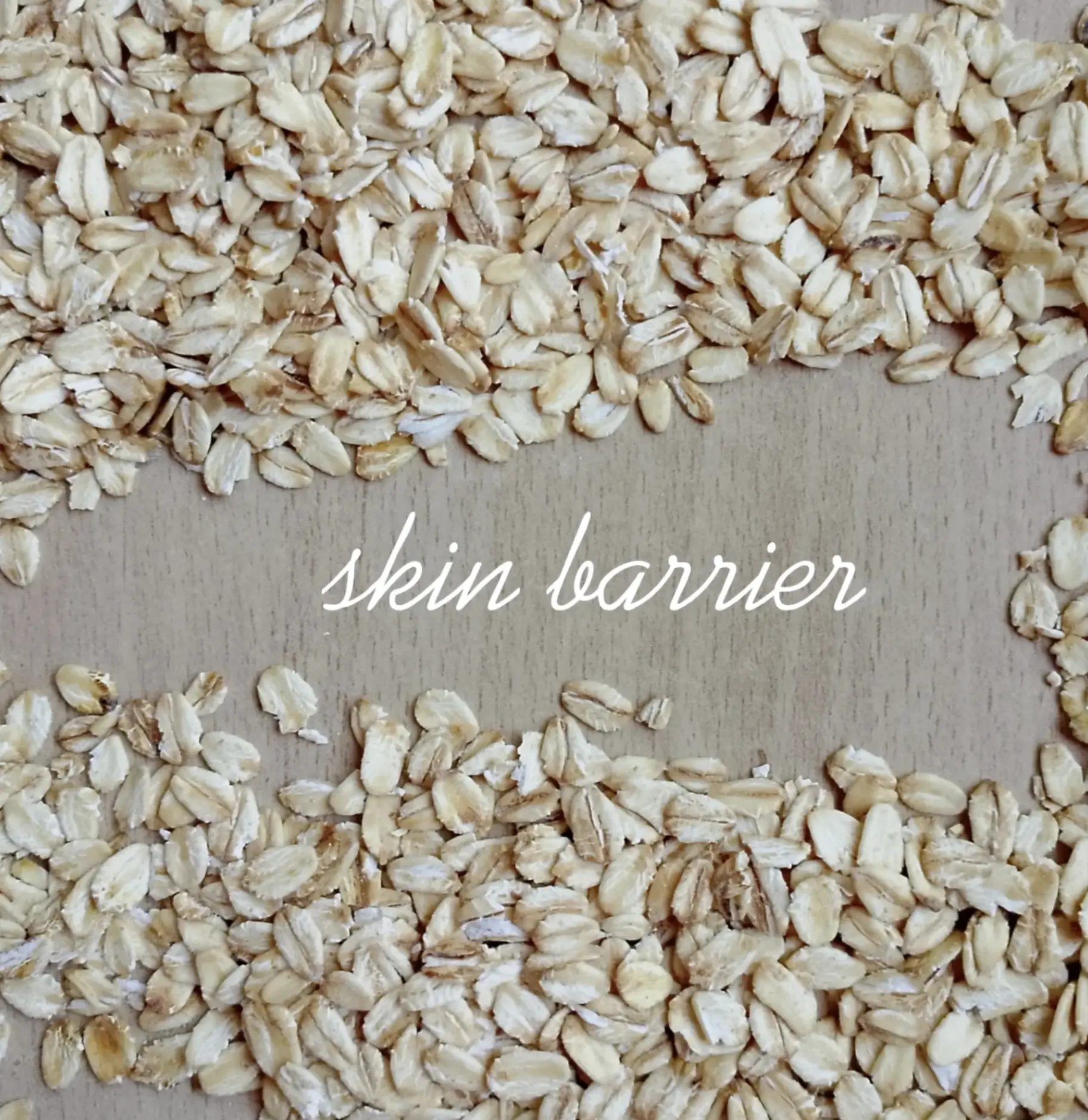
Even the most gentle skincare products can catch some people out – that’s why patch testing is a must. Take a teeny amount of any new product, about the size of a pea, and dab it behind your ear or on your inner forearm for 48 hours.
If your skin’s still a bit sensitive – like many of our clients – treatments like a Hydrafacial at The Facial Hub can be a lifesaver. A professional can give your skin a gentle cleanse while assessing its sensitivity.
How Brisbane’s Climate Influences Skin Behaviour
Living in Brisbane, our skin’s got a tough time to contend with – the heat and humidity, the aircon, and those sudden temperature changes can all play havoc on hydration levels and make your skin go all red and inflamed.
In the warmer months:
- Go light on the moisturiser – you don’t want to clog up any pores
- Use a hyaluronic acid serum to keep things soothed
- Stick to gentle cleansers to get the sweat and sunscreen off
When it gets cooler:
- Switch up to something richer to repair that barrier
- Ease off on exfoliants for a while
- Focus on moisture barrier strength
Just like we adjust clothing seasonally, skincare should follow suit.
A Beginner-Friendly Routine That Works
Here’s your starter routine for sensitive or reactive skin. Keep this up for four weeks before adding new activities.
Morning Rituals
- Try a gentle cleanser or a micellar water
- A sip of Hyaluronic Acid serum
- Lock it in with a ceramide moisturiser
- Protect that skin with SPF 30+ suncream
Evening Routine
- If you need it, go for a double cleanse
- Soothe and hydrate with a calming serum
- Rebuild with a barrier-support moisturiser
Many of our clients find this a good starting point before we can work on more targeted treatments or custom-made facials gradually introduce Vitamin C, niacinamide, or exfoliantsfor their specific skin types and sensitivities.
What Most Commonly Irritates Sensitive Skin (2026 AU Data)
| Trigger | Australian Clients Affected (2026) | Why It Matters |
|---|---|---|
| Fragranced Products | 72% | Disrupts the skin barrier and causes inflammation |
| Overuse of Exfoliants | 64% | Damages the moisture barrier and increases reactivity |
| UV Light Exposure | 58% | Triggers redness, heat and long-term irritation |
| Essential Oils | 41% | Bioactive compounds are too strong for sensitive skin |
| Hot Water | 39% | Dilates vessels, worsening sensitivity |
| Chemical Sunscreens | 32% | Can cause stinging on compromised skin |
When You’re Ready to Add More Advanced Ingredients
Once your skin barrier is stable, you can gradually introduce Vitamin C, niacinamide, or exfoliants. Bear in mind, it’s best to start with low-strength formulas and always add one new ingredient at a time. Don’t even think about adding oil-reducing clarifying serum if your skin is still congested – that’s gotta wait till your skin barrier is nice and strong.
Professional Care That Supports Reactive Skin
Professional treatments can reinforce barrier repair and reduce sensitivity over time. Options include:
- Gentle enzyme facials
- Oxygen facials
- Barrier repair facials
- LED treatments with calming wavelengths
The thing is, these treatments work best when your home routine is solid & you haven’t just changed 5 different products all at once.

A Final Word Before You Begin
Getting your skin back on track isn’t about achieving perfection – it’s about building a relationship with your skin that’s all about trust. With the right products, a bit of patience, and some seasonal adjustments, your skin will become much more predictable & calm. Want a more personal approach to skincare? See us at The Facial Hub, and we’ll tailor a plan that’s perfect for you, your lifestyle and your climate.
FAQ
Should I avoid all active ingredients if my skin is super sensitive?
Not at all. If you’re building your skin barrier with the right products, you can safely try gentle Vitamin C, niacinamide, and mild exfoliants.
How long will it take to get my skin barrier back on track?
Most people notice some improvement in 2-6 weeks, but it’s much faster if you stick to a consistent routine.
Are essential oils safe for sensitive skin?
Generally, no, their active compounds can often trigger irritation.
Is double cleansing okay for sensitive skin?
Yes, but only if you do both cleanses with really gentle, fragrance-free products.
Why do I react to skincare formulas that other people rave about?
Your skin & genetics are unique – what works for one skin type just doesn’t work for another.