Kakadu National Park, one of Northern Australia’s most beautiful places, is home to so much wildlife, including saltwater crocodiles (Crocodylus porosus) and freshwater crocodiles. These top predators are part of the park’s natural environment, but also a risk to visitor safety.
If you’re heading to Kakadu, you need to know crocodile warning signs, safety guidelines and behaviour around crocodiles. Here’s what you need to know before you go to this bucket list destination.
Contents
Crocodiles in Kakadu: What You Need to Know
1. Saltwater Crocodiles vs Freshwater Crocodiles
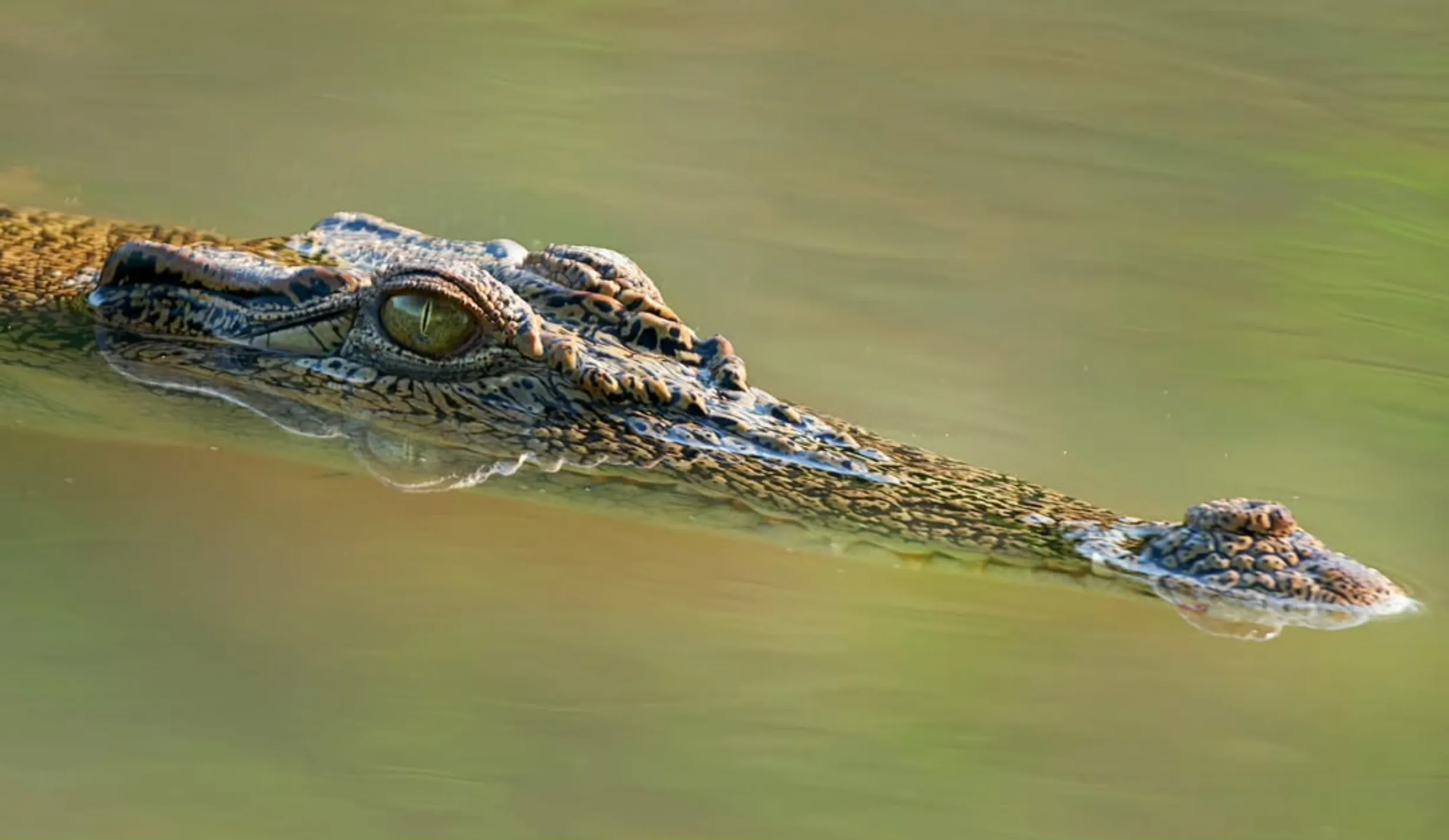
Kakadu has two species of reptiles—the saltwater croc (also known as the estuarine crocodile) and the freshwater crocodile.
Saltwater Crocodiles (“Salties”)
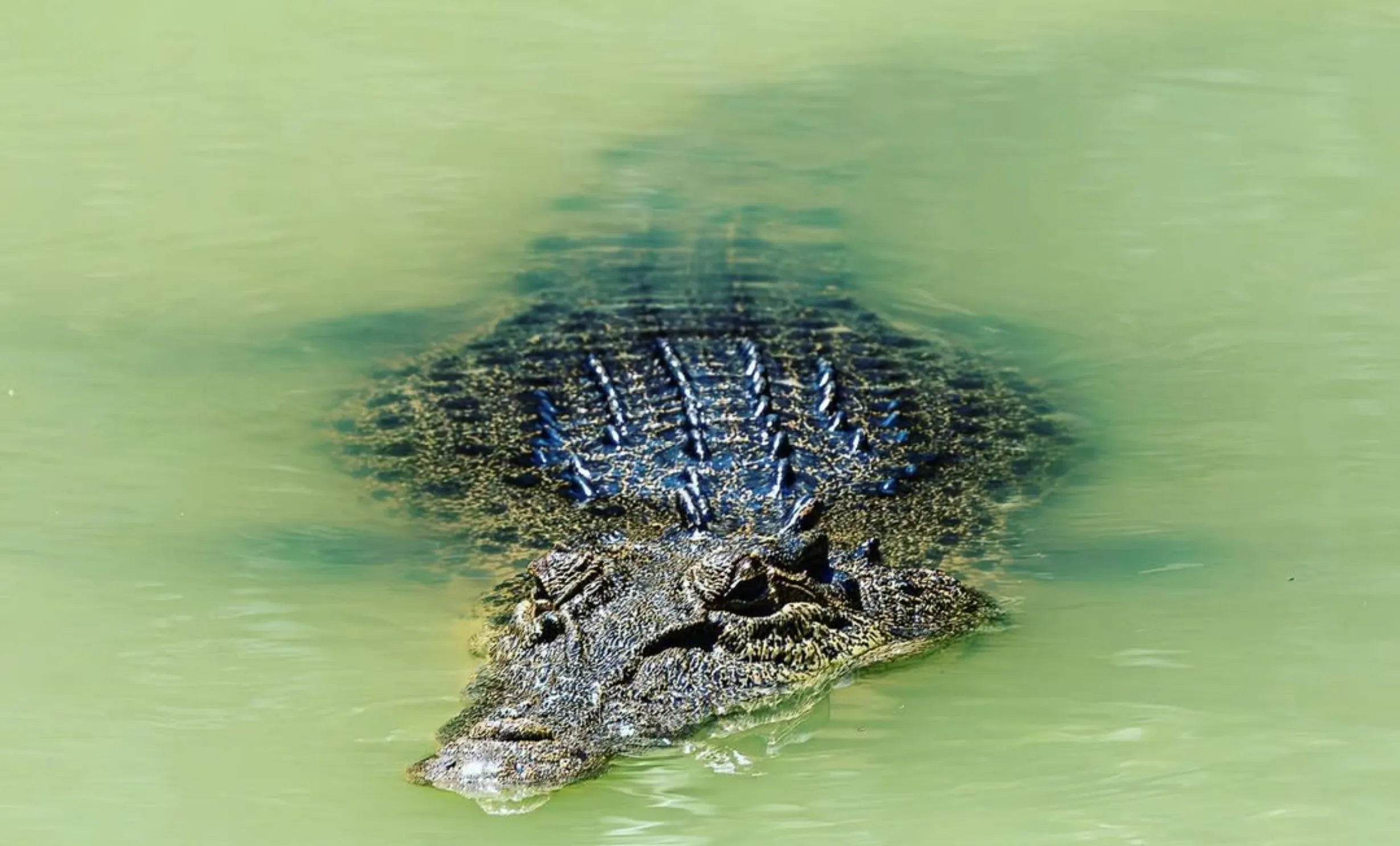
- The biggest reptiles on Earth, up to 6 meters long.
- Aggressive, territorial and responsible for crocodile attacks.
- Found in coastal waters, freshwater rivers, billabongs and other bodies of water.
- Can live in saltwater and freshwater habitats.
Freshwater Crocodiles (“Freshies”)
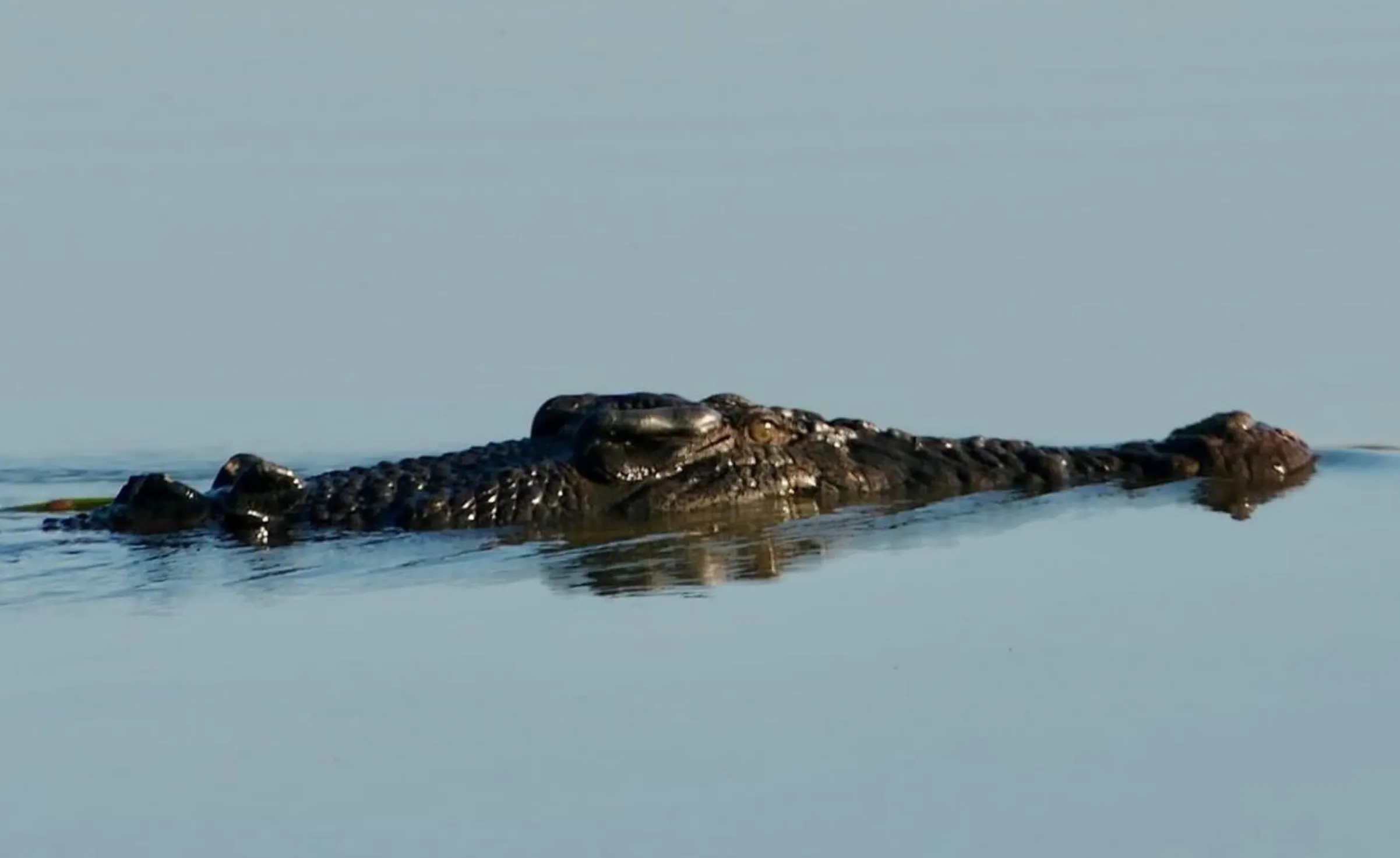
- Generally shy and not dangerous unless provoked.
- Smaller than salts, up to 3 meters long.
- Found in freshwater rivers and billabongs.
- Unlike their bigger relatives, they don’t attack humans.
2. Where Do Crocodiles Live in Kakadu?
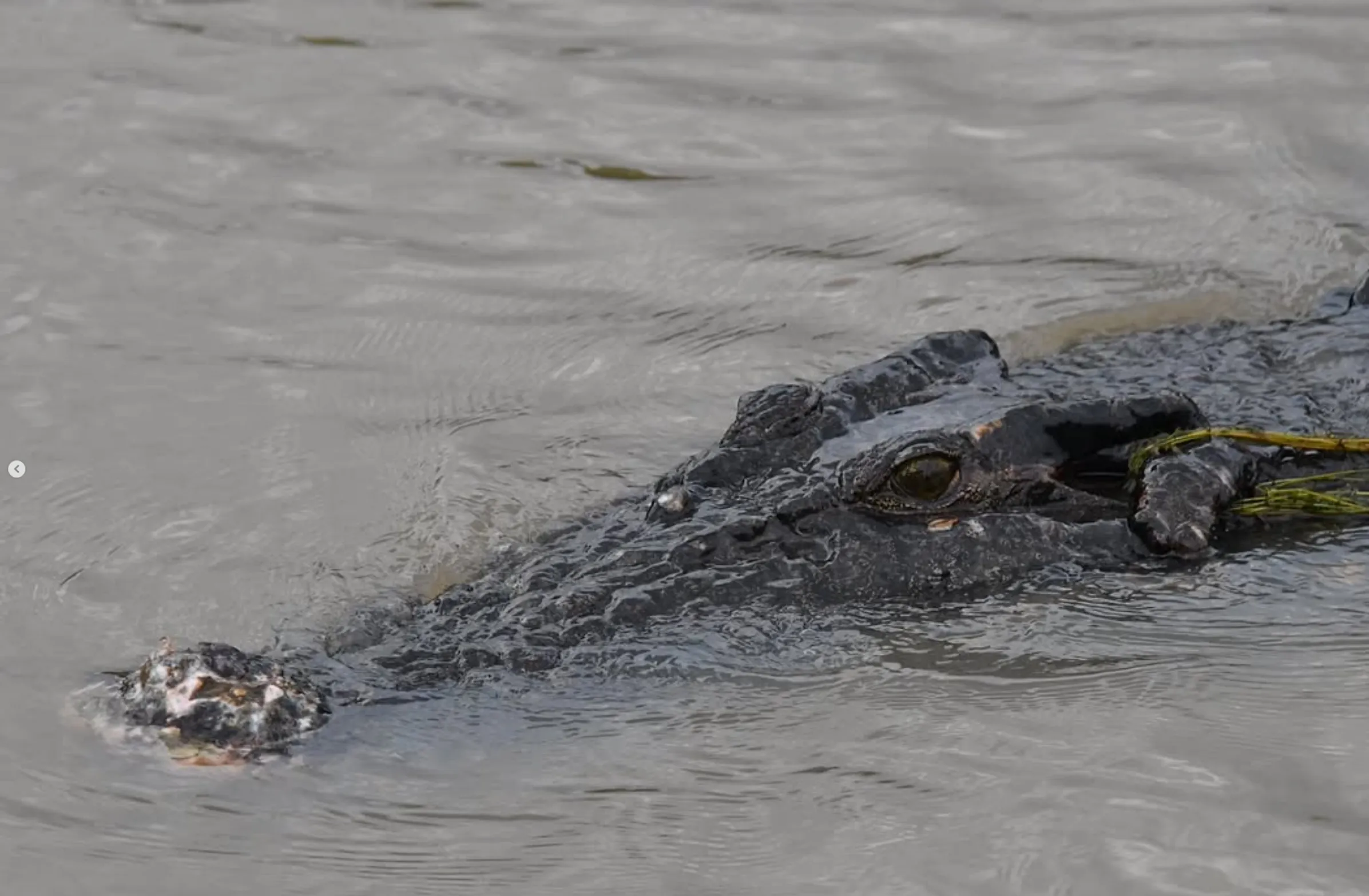
Crocodiles can be found in all major water bodies in Kakadu, including:
- Yellow Water Billabong – A popular spot for boat cruises, with some of the best crocodile views and water bird life.
- Mary River – Has one of the biggest saltwater crocodile populations in Australia.
- Adelaide River – Home to the famous jumping crocodile cruises, where you can see these amazing creatures in action.* Arnhem Land & East Arnhem – Culturally significant and home to many wild crocodiles and rock art, like at Ubirr Rock.
They can also be in unexpected places as water levels rise and fall during the wet and dry seasons.
How Deadly Are Crocodiles?
Crocodile waters in Kakadu can be deadly if you ignore basic rules. The 1970s crocodile cull allowed the Australian crocodile population to grow, so now there are more aggressive saltwater crocodiles.
While Parks Australia does manage crocodiles to keep you safe, it’s only a matter of time before someone gets hurt if you ignore signs. To explore Kakadu safely and experience its breathtaking landscapes, 4 day Kakadu tours from Darwin and 5 Day Kakadu tour offer guided adventures with expert knowledge on wildlife and safety.
Crocodile Attacks: A Real Thing
Crocodile attacks are rare but happen when people ignore signs or swim in crocodile country. Recent incidents prove pay attention to signs is key.
According to crocodile managers, most attacks happen when:
- In the wet season, when crocodiles move into new areas.
- Late afternoon or at night, when they are most active.
- When people get too close to the water’s edge, unaware of these snakes in the grass.
Stay Safe Around Crocodiles
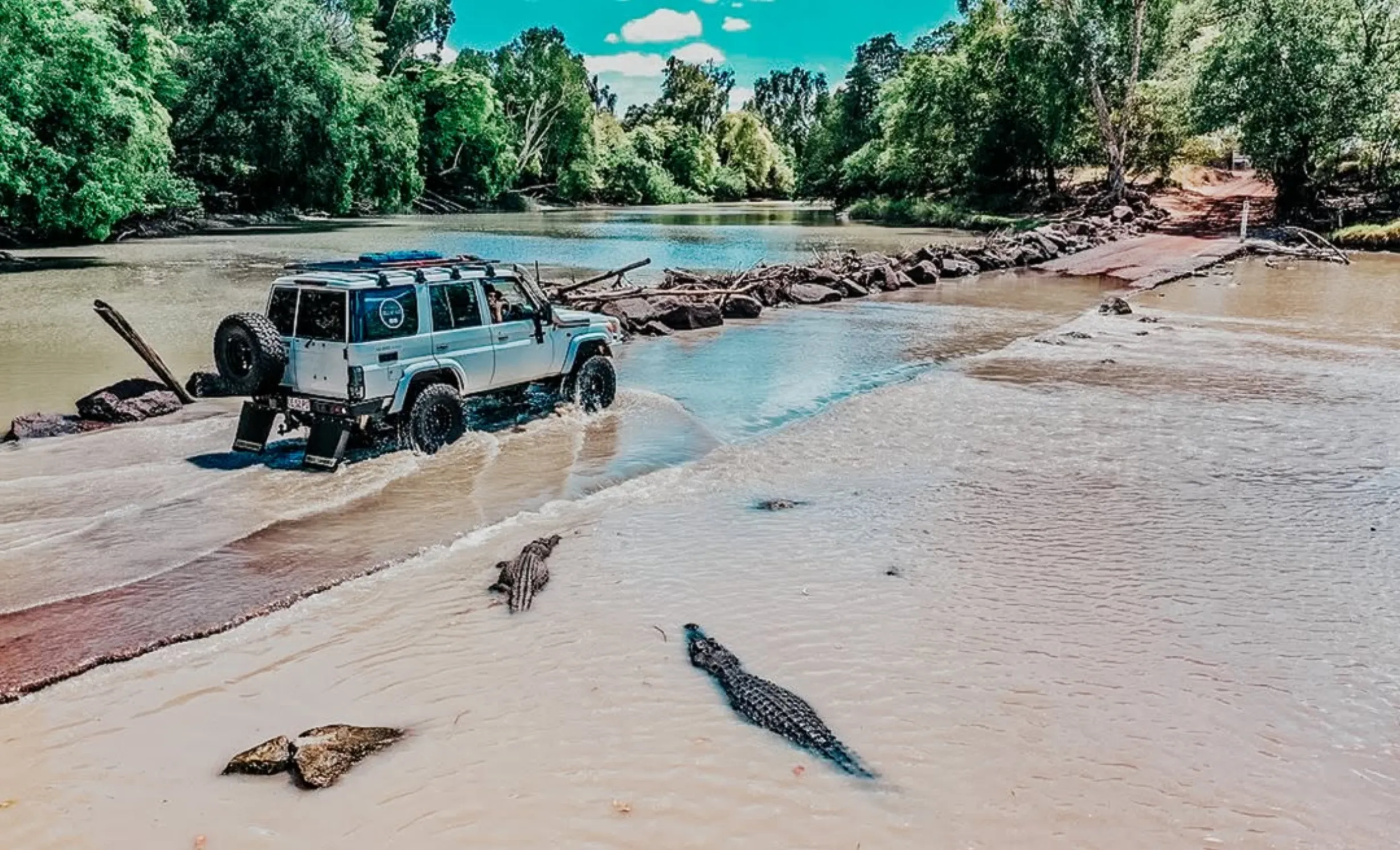
If you’re visiting Kakadu, be Croc-wise by following these rules:
Follow all the signs – Never swim in a body of water unless Parks Australia has said it’s okay.
Stay at least 5 meters from the water’s edge – Saltwater crocs are snakes in the grass and can strike in fast currents.
Don’t enter crocodile waters – If a body of water is not signed, assume it’s not safe.
Don’t do late afternoon & nighttime activities – Crocodiles are most active after dark.
Don’t feed wild crocodiles – This is illegal and makes them think humans = food.
Camp at least 50 meters from water bodies – Even at night, wild animals like feral animals, venomous snakes and crocodiles can wander into campsites.
Be extra careful in the wet season – Rising water levels means crocodiles can be in unexpected places.
Where Can You Swim Safely?
Swimming in Kakadu is very limited due to crocodiles. However, during the dry season, some nice spots may be deemed safe by rangers, including:
- Gunlom Plunge Pool (when open)
- Maguk Gorge (seasonal)
- Jarrangbarnmi (Koolpin Gorge) (permit required)
Check with Parks Australia before swimming.
Crocodiles & Aboriginal Culture
For thousands of years, Aboriginal people have lived with these guys. Crocodiles have deep cultural significance and are often depicted in rock art, carvings, and Dreamtime stories.
Visit Ubirr Rock or the Crocodile Hotel (designed like a crocodile) to learn more about their role in Indigenous culture. To explore these sites and more, 2 day Kakadu tours and Kakadu Tours offer guided experiences that provide deeper insight into the rich heritage and wildlife of this incredible region.
Beyond Crocodiles: Other Wildlife in Kakadu
While saltwater crocs are the star of the show, Kakadu is also home to:
- Green sea turtles (found in coastal waters)
- Golden tree snakes & aquatic file snakes
- Prey animals like wallabies and fish
- 280+ species of birds
Final Thoughts
Crocodiles are deadly but visitor safety is top priority in Kakadu. By following safety guidelines, understanding crocodile behaviour and taking sensible precautions you can enjoy one of Australia’s most amazing places. Book the Kakadu tour with Wayoutback Tours for the best 4WD adventures in Northern Australia.
FAQ
Can I swim anywhere in Kakadu National Park?
Swimming is very limited in Kakadu due to crocodiles. However, some safe spots like Gunlom Plunge Pool, Maguk Gorge, and Jarrangbarnmi (Koolpin Gorge) may be open during the dry season. Check with Parks Australia before swimming.
When is the safest time to visit Kakadu to avoid crocodiles?
Dry season (May to October) is the best time to visit as water levels are lower and crocodile habitats are more predictable. Wet season (November to April) see water levels rise and crocodiles move into new areas undetected.
How close can I get to the water in Kakadu?
You should always stay at least 5 meters away from the water’s edge. Saltwater crocs are ambush predators with an incredible sense of smell and can strike in seconds.
What else can I see in Kakadu besides crocodiles?
Kakadu has loads of water birds, native animals, green sea turtles, golden tree snakes and bull sharks in certain areas. It’s also a great place to see rock art and stunning landscapes.
Do crocodile attacks happen in Kakadu?
Crocodile attacks are rare but do occur, usually when people ignore safety guidelines. Attacks happen at unmarked water bodies or during the wet season when dangerous animals are more active.