In the window cleaning industry, there’s more to consider than just achieving clean windows. The task, especially at elevated heights or using DIY methods, can expose individuals to serious safety risks. Whether you’re managing a high-rise building, coordinating professional window cleaning services, or tackling a few windows at home, understanding the risks of window cleaning is critical.
This guide by the Window Cleaning Melbourne Crew outlines the key risks for window cleaners, the dangers of improper methods, and how professional service providers apply robust safety measures to protect people and property.
Contents
- 1 Falls from Heights
- 2 Electrical Hazards
- 3 Chemical Exposure and Health Risks
- 4 Poor Weather Conditions
- 5 Repetitive Strain Injuries
- 6 Eye Injuries
- 7 Property Damage and Financial Liability
- 8 Improper Equipment and Makeshift Solutions
- 9 Legal and Compliance Risks
- 10 DIY Window Cleaning: High Risks, Low Reward
- 11 Conclusion
- 12 FAQ
Falls from Heights
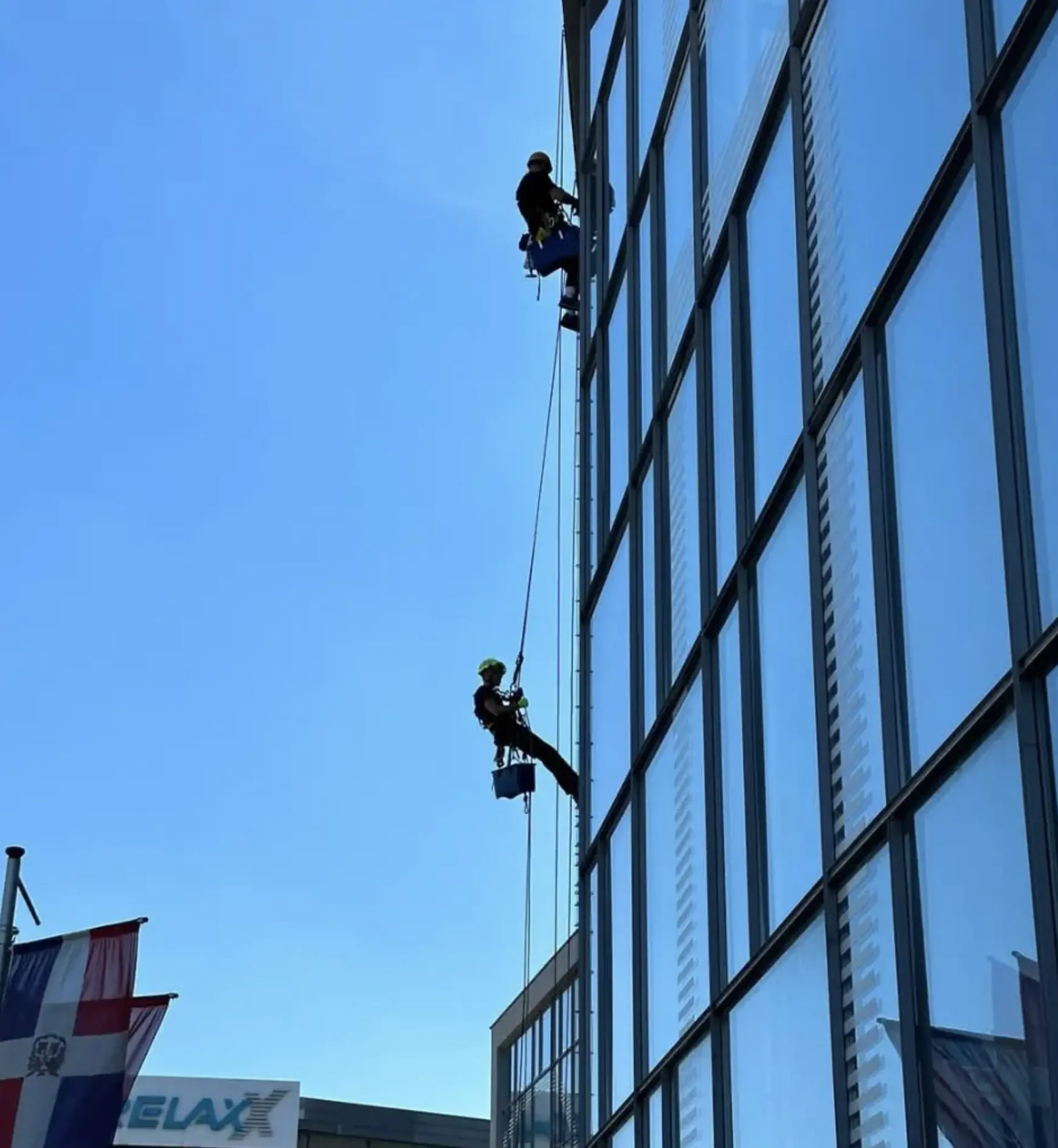
One of the most common hazards associated with window cleaning is falling from elevated heights. High-rise window cleaning operations, in particular, are high-risk jobs that demand specialised equipment, proper training, and strict safety protocols.
Contributing risks include:
- Unsecured ladder rungs
- Inadequate access equipment
- Incorrect use of extension ladders
- Makeshift devices or unstable platforms
How professionals stay safe:
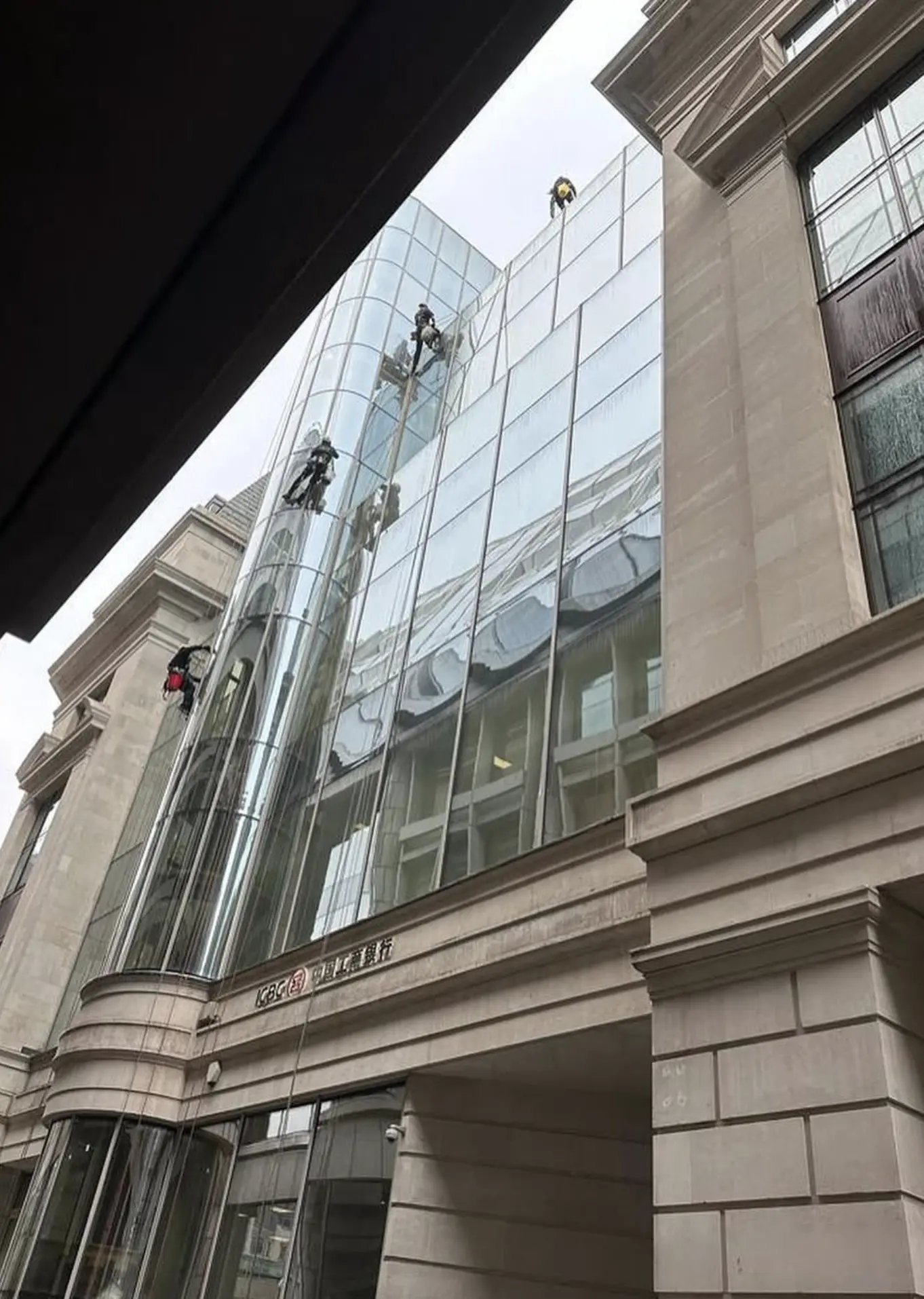
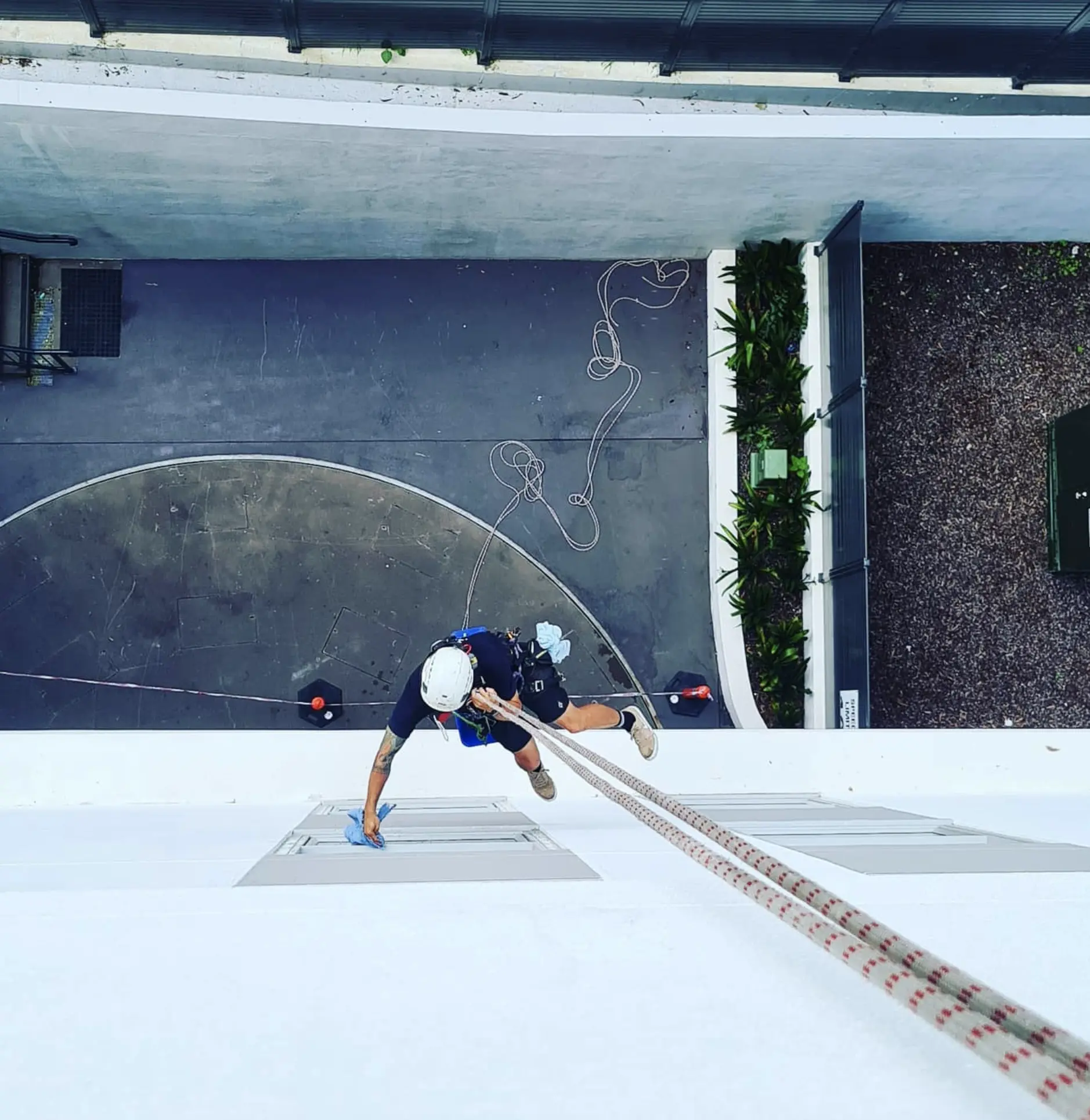
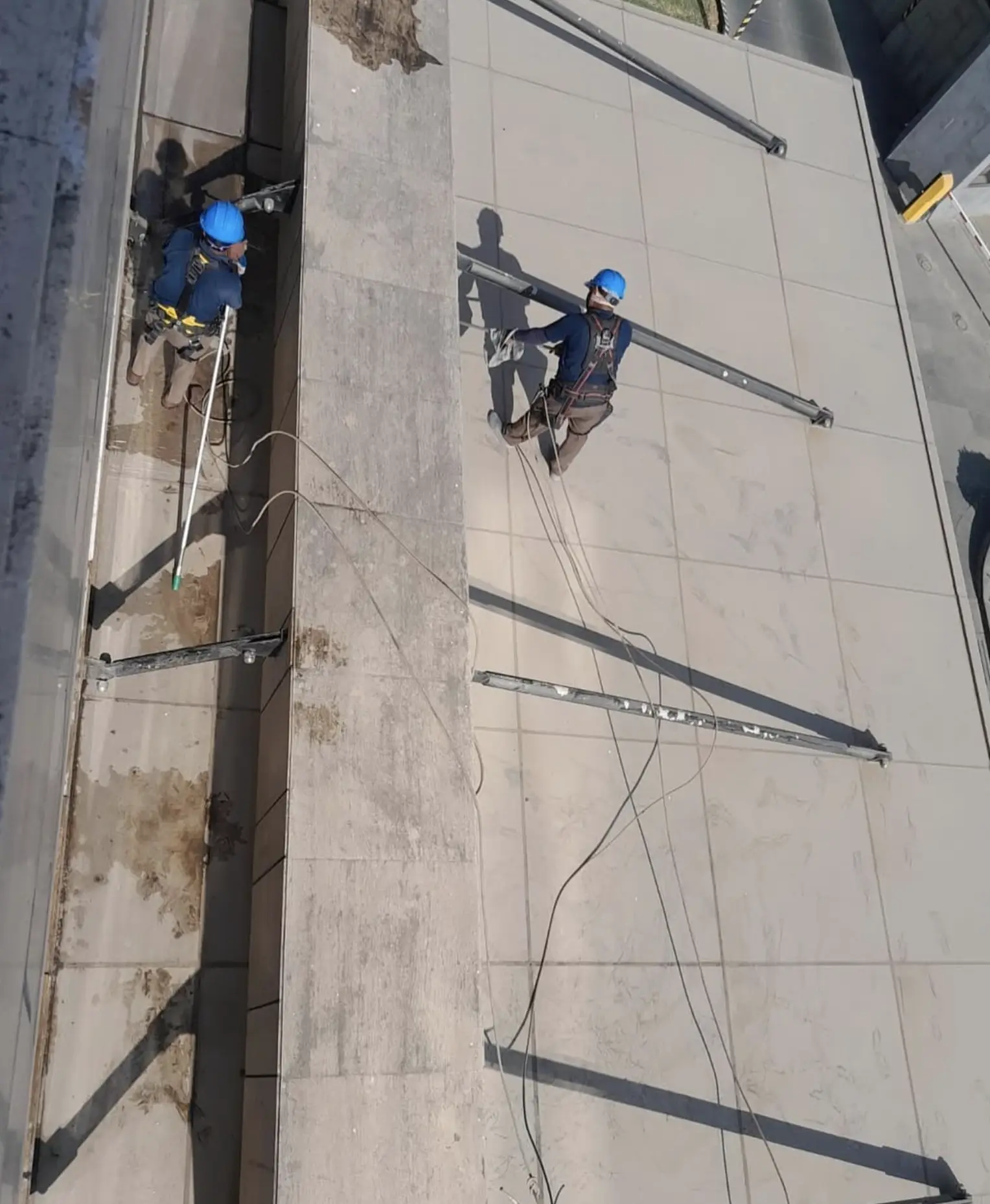
High-rise window cleaners use rope descent systems, personal fall protection systems, safety harnesses, and body harnesses. Passive fall protection, regular safety audits, and adherence to Occupational Health and Safety standards are also vital for risk management.
In commercial settings, property owners are legally responsible for ensuring that window cleaners have the proper safety measures and gear for safety in place before commencing work.
Electrical Hazards
Working near electrical lines or installations introduces another major safety hazard—electrical hazards. Contact with live wires can cause severe personal injury or even fatalities.
Preventative strategies:
- Identifying all nearby electrical lines during regular inspections
- Using non-conductive telescopic poles and water-fed poles
- Applying proper danger signs to alert workers
- Ensuring competent people supervise or inspect the cleaning site
Professional window cleaning Melbourne teams assess these risks thoroughly before beginning any work.
Chemical Exposure and Health Risks
Many window cleaning jobs involve cleaning products and chemicals that pose health risks if not handled with extreme care. Harmful chemicals such as ammonia and bleach are often used in commercial cleaning of windows, but must be treated with caution.
Potential hazards include:
- Eye injuries and skin irritation
- Respiratory issues from inhaling harsh chemicals
- Chemical burns fromthe improper use of cleaning solutions
Safe cleaning advice:
Qualified cleaners use eco-friendly and safe cleaning solutions, safety glasses, gloves, and protective clothing to avoid chemical exposure. Proper care during the storage and disposal of cleaning products is also part of the safety record expected from any top-notch window cleaning company.
Poor Weather Conditions
Harsh weather significantly increases the risks associated with window cleaning. Rain, windy conditions, extreme temperatures, and hot weather all reduce visibility, grip, and balance.
Environmental factors that affect safety:
- Inclement weather conditions like storms or high winds
- Wet surfaces increase the risk of slips and falls
- Freezing temperatures are making windows and frames brittle
- Strong sunlight causes cthe leaning solution to dry too quickly, leaving streaks or water spots
During high-rise window cleaning Melbourne projects, adverse weather is a key factor that determines scheduling and access methods.
Repetitive Strain Injuries
Repetitive strain injury is another risk of injury for window cleaners who frequently perform the same movements or overextend their reach using cleaning tools.
Common causes:
- Overuse of telescopic poles
- Improper lifting of cleaning equipment
- Awkward posture during cleaning tricky windows
Proper technique and training:
Regular training, use of ergonomic cleaning tools like extension poles and water-fed poles, and effective techniques such as alternating cleaning hands help reduce the strain. Proper body weight distribution and correct footwear, such as non-slip footwear, also play a crucial role in prevention.
Eye Injuries
Dust, debris, cleaning solution splashes, and broken glass all pose a risk of eye injuries during window cleaning. Using inadequate or no protective equipment greatly increases vulnerability.
Recommended safety gear:
- Safety glasses for splash protection
- Safety helmets for high-rise window cleaning jobs
- Protective wear, including gloves and long sleeves
- Safety harnesses for rope access window cleaning or elevated platforms
Professional window cleaning Melbourne technicians ensure safety gear is worn on every site, no matter the building height.
Property Damage and Financial Liability
When incorrect window cleaning tools or wrong techniques are used, there’s a real potential for accidents that result in damage to property, especially fragile external sills, painted frames, or glass panes.
Examples of property damage:
- Scratched glass from abrasive tools or incorrect cloths
- Water seepage into window frames
- Broken panes from excessive pressure or improper ladder positioning
Hiring a professional window cleaning company not only ensures proper safety measures are followed but also offers financial protection through insurance. Property owners should verify that their contractors are licensed and insured.
Improper Equipment and Makeshift Solutions
Another key factor in many window cleaning accidents is the use of inadequate or makeshift devices like unsupported stools or ladders, which do not meet safety requirements.
Dangers include:
- Inadequate cleaning tools lead to poor quality results
- Portable support devices without safety locks
- Outdated or damaged gear with signs of wear
Companies specialising in high-rise window cleaning Melbourne ensure all equipment passes inspection and meets safety standards before use.
Legal and Compliance Risks
In Australia, there are strict legal requirements for window cleaning professionals, particularly when it comes to working at height.
Compliance essentials:
- Occupational Health and Safety regulations
- Requirements for window cleaners to be licensed and trained
- Use of approved safety equipment
- Recording regular safety audits and training updates
Window cleaning Melbourne services that comply with local laws help building owners avoid liability and maintain safe environments.
DIY Window Cleaning: High Risks, Low Reward
DIY window cleaning might seem cost-effective, but the risks far outweigh the savings. The lack of proper training, safety gear, and cleaning tools puts homeowners at increased risk of injury or property damage.
Why DIY can be dangerous:
- Lack of protective clothing or a safety harness
- No understanding of chemical exposure or harmful cleaning products
- Risk of falls, particularly on the second-storey or above
- Wrong tools leading to scratched glass or water damage
Engaging professionals ensures efficient and safe cleaning, especially for high-rise buildings that require specialised knowledge and high-rise window cleaners with qualifications.
Best Practices for Safer Window Cleaning
To manage and reduce hazards in window cleaning, the following measures should be part of every job:
- Use of modern window cleaning tools such as telescopic poles, extension poles, and water-fed poles
- Adherence to ladder safety protocols when ladders are required
- Routine equipment care and strict maintenance schedules
- Implementation of proper fall protection systems, including rope access systems and partner rescue techniques
- Regular inspections of safety lines, safety harnesses, and anchor points
- Robust safety measures, including passive fall protection and clear danger signage
- Regular training and upskilling of window cleaning staff
- Avoiding cleaning during adverse weather conditions or high winds
Conclusion
Window cleaning isn’t just about streak-free glass; it’s about managing the potential risks and hazards that come with the job. From chemical exposure and electrical hazards to falls from heights and repetitive strain injuries, this high-risk job demands extreme care, proper training, and advanced safety gear.
When you hire qualified cleaners from a professional window cleaning company, you’re not only getting top-notch window cleaning—you’re investing in safety, peace of mind, and compliance with legal requirements. Building owners and property managers should always verify that service providers follow best practices, use effective techniques, and uphold a culture of safety.
FAQ
What’s the biggest risk in window cleaning?
Falls from heights are the most significant risk, especially in high-rise window cleaning operations. Safety harnesses, proper fall protection, and rope access systems reduce this risk.
Are DIY window cleaning tasks safe?
Not always. Without the proper safety equipment, protective clothing, or training, DIY window cleaning introduces many potential hazards, especially for upper-storey windows.
What kind of protective equipment should professional cleaners wear?
At a minimum: safety glasses, gloves, non-slip footwear, harnesses, and weather-appropriate clothing. High-rise cleaners use rope descent systems and advanced safety equipment.
Can chemical exposure be harmful?
Yes. Harsh chemicals and cleaning products can irritate the eyes, skin, and lungs. Professionals use eco-friendly cleaning solutions and wear proper protective gear.
How do I ensure a window cleaning company is safe and qualified?
Check for licensing, insurance, certifications, safety protocols, and a strong safety record. Always ask about their safety gear, fall protection systems, and worker training.